The Community Skills Network is built on the belief that every young person deserves access to practical, hands-on training that prepares them for real work opportunities.
We are dedicated to Empowering youth through practical, hands-on skills training to bridge the gaps in technical and vocational opportunities,
fostering self-reliance, employability and community-driven development.
Ultimately, this initiative intends to nurture young people’s potential while strengthening local economies and building a skilled, confident generation.
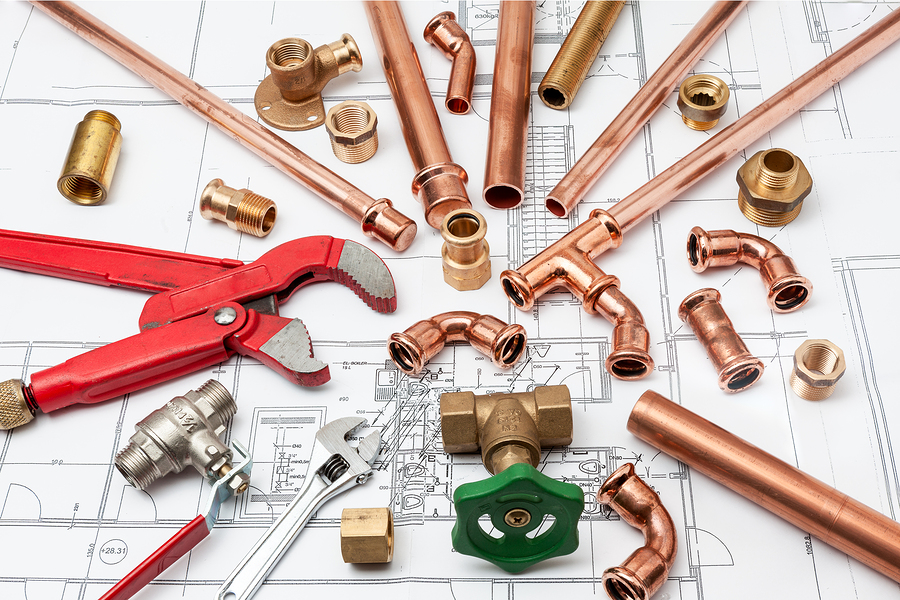
This module introduces learners to basic plumbing tools, materials, and safety practices. It builds foundational skills in measuring, marking, and cutting pipes accurately. Learners gain hands-on experience handling tools correctly and safely for simple plumbing tasks.
This module trains learners in the fundamental techniques of cutting, joining, and aligning PVC, PPR, and GI pipes. It focuses on producing strong, leak-free joints using solvent welding, heat fusion, and manual threading methods. Learners also practice creating simple pipe routes with proper support and alignment.
This module covers the basic installation of cold-water supply systems, including taps, valves, and simple distribution lines. Learners practice mounting fixtures and connecting pipework correctly. The module also introduces basic pressure testing to confirm system reliability.
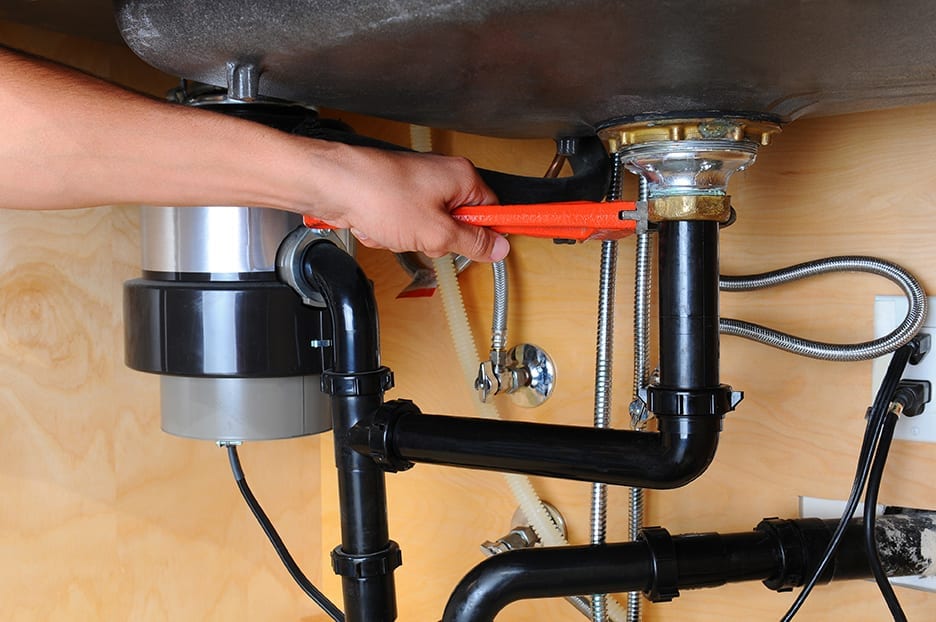
This module introduces learners to basic sanitation and drainage systems, focusing on fitting traps, connectors, and properly sloped waste pipes. It builds skills in assembling and routing small drainage lines. Learners also test flow to ensure effective wastewater removal.
This module trains learners to install common domestic plumbing fixtures such as wash basins and kitchen sinks. It focuses on proper leveling, securing fixtures, and connecting waste outlets and faucets. Learners gain hands-on experience ensuring fixtures are stable, functional, and correctly aligned.
This module introduces learners to basic plumbing maintenance tasks, including diagnosing common faults and fixing small leaks. It covers simple repairs such as replacing tap washers, tightening joints, and clearing minor blockages. Learners practice safe, effective methods for basic troubleshooting and leak detection.